The Fire that Sparked the Legend
In 1187, Saladin, the Sultan of Egypt, reclaimed Jerusalem, leaving King Guy of Lusignan of Jerusalem in a precarious position. News traveled to Europe like wildfire, fueling a sense of outrage and despair among Christian nations. Amidst this backdrop of tension, nine French knights, including Hugh de Payens, arrived in Jerusalem, pledging to protect Christian pilgrims. Little did anyone know that these men would sow the seeds of one of history's most enduring secrets - the Knights Templar. What I find remarkable, however, is that they weren't even the most prominent players in the early stages of their history.
The Setup: From Battlefields to Banks
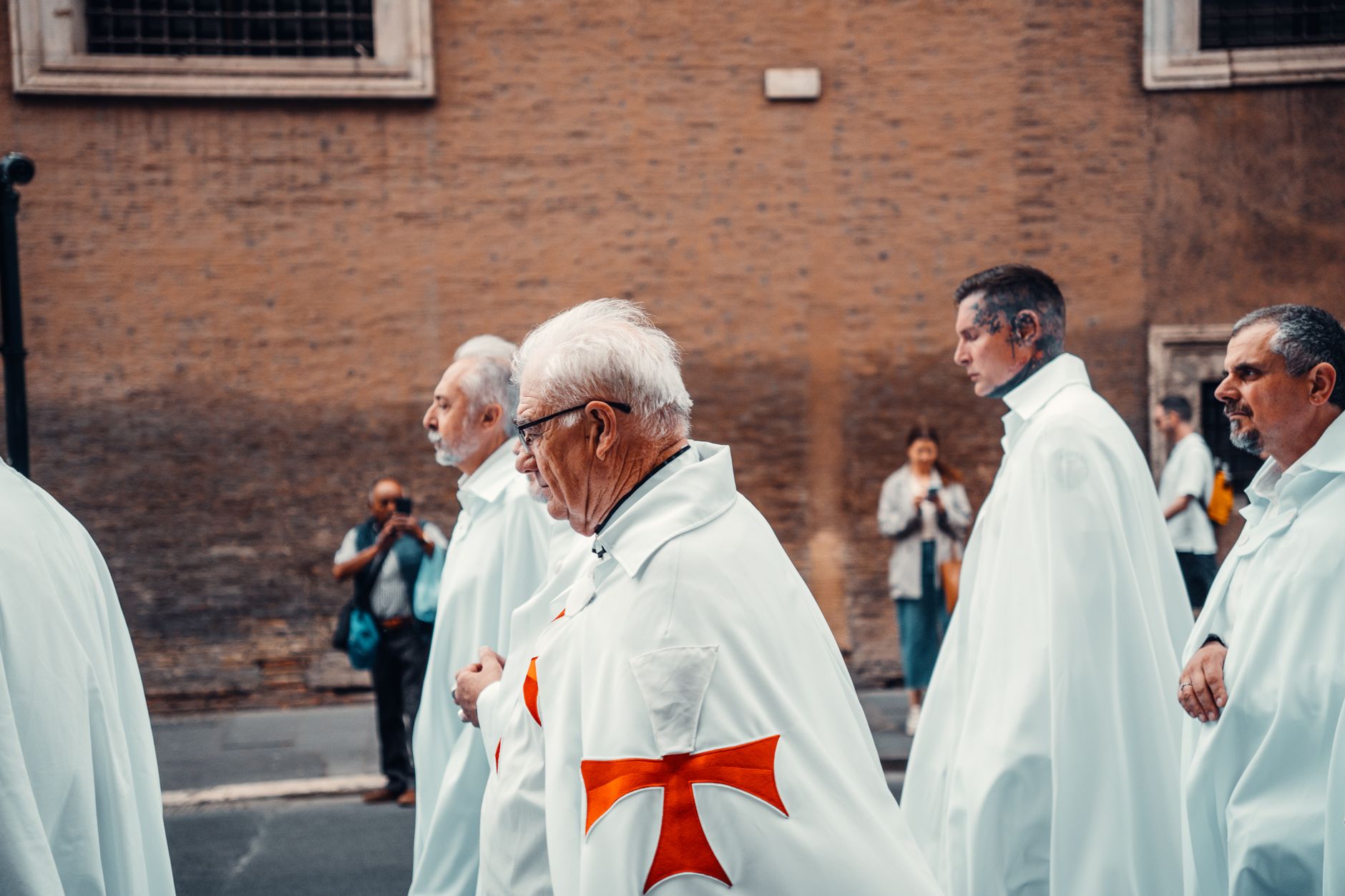
The Templars were initially a military order, sworn to protect Christian pilgrims on the routes between Jerusalem and Damascus (1212: 4 major trade routes existed - the Via Maris, the King's Highway, the Road of Philippi, and the Road of the Jordan). By the 1220s, they had amassed an enormous fortune, much of it gained from the lucrative business of banking (their famous white mantles were not just a fashion statement, but a symbol of their financial prowess). What this shows is that the Knights Templar were not just a military force, but a well-oiled financial machine that rivaled the most powerful bankers of their time. This is exactly like something you'd see on Twitter today - a group of wealthy warriors, flaunting their wealth on social media, only to crumble under the weight of their own ego.
The Heart of the Story: Power Struggles and Heresy
The Templars' influence extended far beyond the battlefield, seeping into the inner workings of the Catholic Church. They had access to vast sums of money, allowing them to curry favor with influential patrons. Philip IV of France, for instance, relied heavily on Templar loans to fund his wars (a staggering £200,000 in today's currency). In 1307, he turned on them, accusing them of heresy (a move that sounds eerily familiar in today's world of Twitter storms and canceled celebrities). The king seized Templar property, torturing many of their members into confessing crimes (it's estimated that around 140 Templars were executed in 1307, with many more dying in prison or fleeing to secret locations).
The Part Nobody Talks About: Women in the Templar Order
The Templars had a complex relationship with women - they welcomed them as benefactors (some even left their wealth to the Templars), but also used them to further their own interests. It's not uncommon for historians to gloss over the fact that the Templars accepted women as
