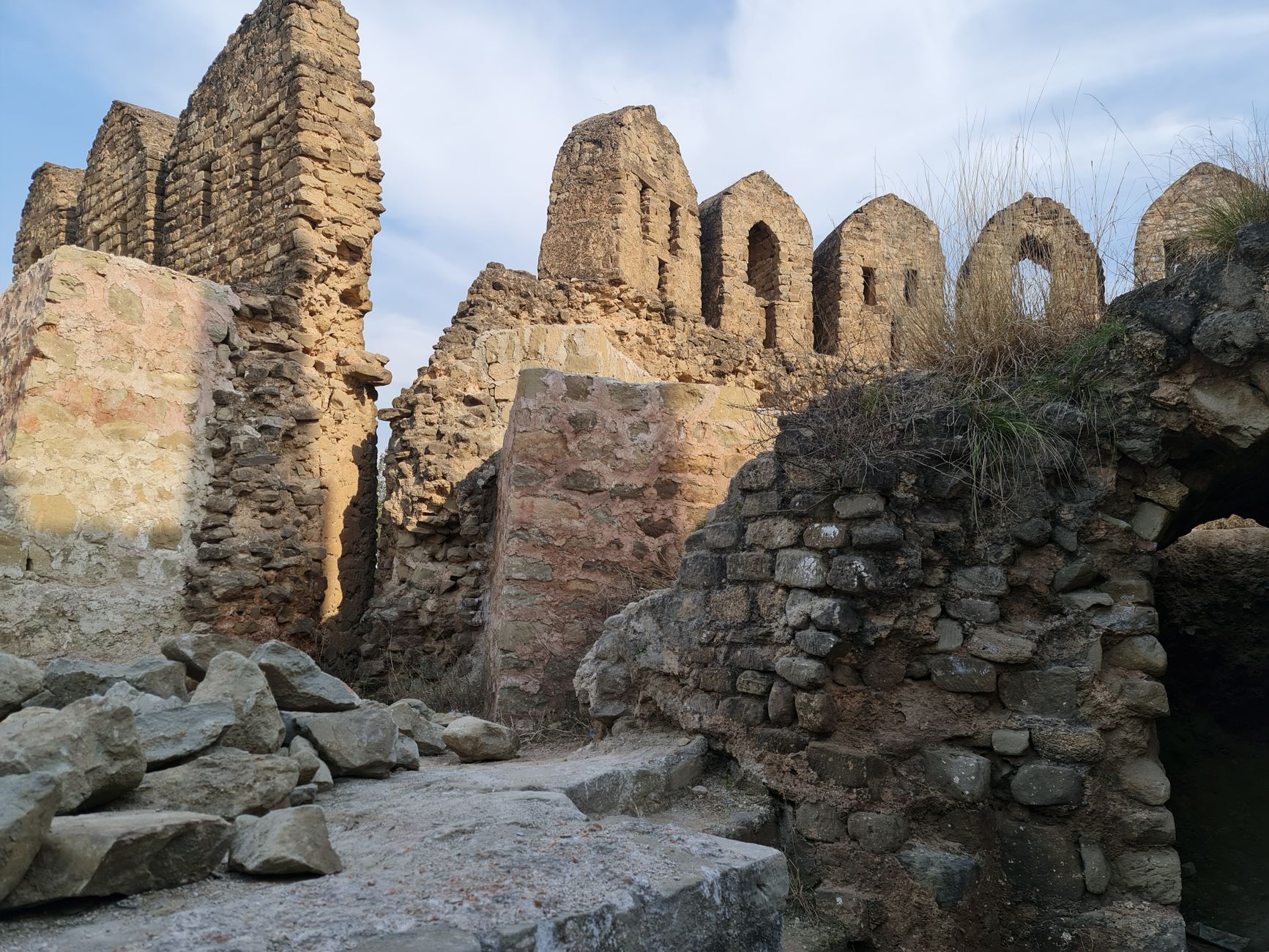
The Mysterious Depths of Atlantis
Imagine a place where the sea meets the sky, where towering structures of white stone shimmer in the sunlight. Sounds exactly like something you'd see on Instagram today, right? This isn't just a fantasy. The legend of Atlantis has captivated humans for millennia, inspiring philosophers, writers, and artists to explore its mysteries.
What I find remarkable is how the story of Atlantis has evolved over time. From a mythological place to a possible historical event, the narrative has transformed, and we're still trying to figure out what's fact and what's fiction. But why did nobody stop them? What drove the city's inhabitants to their downfall?
Ancient Origins: Plato's Dialogue
Let's begin with the most ancient source of the Atlantis myth: Plato's dialogue Timaeus and Critias. Written around 360 BCE, these texts describe a powerful and advanced civilization that existed around 9,000 years ago. According to Plato, Atlantis was a island nation located beyond the Pillars of Hercules (Gibraltar), with a sophisticated system of government, architecture, and metallurgy.
But think about it this way: if Atlantis was as advanced as Plato claimed, how come we have no concrete evidence? No archaeological findings, no inscriptions, no mention in other ancient texts. It's as if the city vanished into thin air.
The Possible Inspirations
There are several theories about the inspiration behind Atlantis. Some believe it was based on a real event, like a massive tsunami or earthquake that devastated a coastal civilization. Others think it was inspired by the Minoan civilization on the island of Crete, which was devastated by a cataclysmic eruption around 1500 BCE.
I've always been struck by the similarities between Atlantis and other ancient mythologies, like the city of Mu in Hindu mythology or the island of Hyperborea in Greek mythology. Is it possible that these stories are interconnected, reflecting a shared human experience of catastrophic events and the fear of the unknown?
The Lost City of Thonis-Heraklion
One of the most intriguing modern discoveries related to Atlantis is the lost city of Thonis-Heraklion in the Mediterranean. Discovered in 2000, this ancient city was submerged underwater around 1200 BCE, due to a combination of earthquakes, sea level rise, and erosion. The fact that we found it using advanced sonar and underwater excavation techniques makes me wonder if we're on the cusp of unraveling more secrets about Atlantis.
You might assume that Thonis-Heraklion is just another example of an ancient city lost to the sea. But think about it this way: what if Thonis-Heraklion was an inspiration for the Atlantis myth? What if Plato's dialogue was based on a real event, but embellished with mythological elements?
The Heart of the Story: A City of Marvels
According to Plato, Atlantis was a place of incredible wealth and advanced technology. The city's heart was a massive temple dedicated to Poseidon, built by the city's founder, Atlas. The temple was said to contain a vast repository of knowledge, including advanced mathematical and astronomical discoveries.
Here's the thing most people miss: the Atlantis myth is deeply connected to the concept of the perfect society. Plato envisioned a utopian city where people lived in harmony with each other and with nature. But what does this mean, exactly? Is it a commentary on the corruption of power, the dangers of ambition, or simply a nostalgic dream of a lost Golden Age?
The Human Cost: A City Fallen
Around 9,000 years ago, Atlantis was said to have been destroyed by a series of earthquakes and floods, triggered by the city's own hubris. The story of Atlantis is a cautionary tale about the dangers of unchecked greed, ambition, and the exploitation of natural resources.
I've always been struck by the parallels between the Atlantis myth and modern environmental disasters. Think about it this way: what if Atlantis was a warning, not just a myth? What if the city's downfall was a result of its own unsustainable practices, leading to catastrophic consequences?
Quick Facts
- Atlantis is described as a island nation located beyond the Pillars of Hercules (Gibraltar) in Plato's dialogue Timaeus and Critias.
- The city's founder is said to be Atlas, a demigod son of Poseidon.
- Atlantis is believed to have been destroyed by a series of earthquakes and floods around 9,000 years ago.
- The Thonis-Heraklion discovery in 2000 provides evidence of an ancient city lost to the sea.
- The Atlantis myth is deeply connected to the concept of the perfect society, as envisioned by Plato in his dialogue.
Why Atlantis Still Matters Today
As we grapple with the complexities of climate change, overpopulation, and resource depletion, the Atlantis myth can serve as a powerful reminder of the dangers of unsustainable practices. Think about it this way: what if Atlantis was a warning, not just a myth? What if the city's downfall was a result of its own hubris, leading to catastrophic consequences?
By exploring the mysteries of Atlantis, we can gain a deeper understanding of human nature, our relationship with the environment, and the importance of learning from the past. Who knows what secrets await us in the depths of history?
