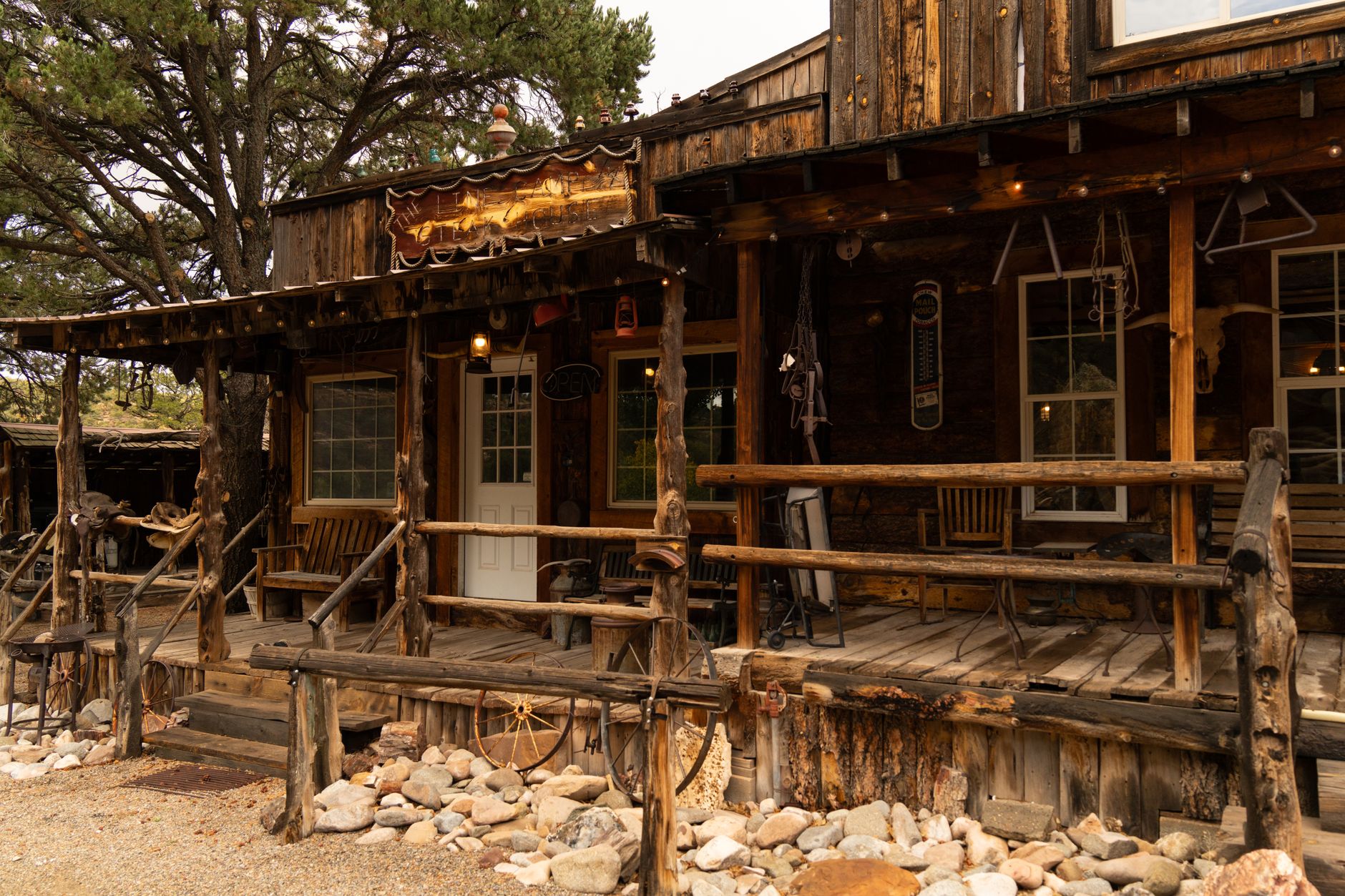
Gunslingers & Showdowns: Where Reality Meets Legend
The Wild West - it's like something out of a movie. Cowboys in dusty towns, outlaws on the run, and gunslingers in the street. You'd imagine the West was a wild, lawless place where anything went, right? Well, buckle up, friend, 'cause it's time to bust some myths and get real about the Wild West.
Here's the thing most people miss: the Wild West wasn't just a few cowpokes and outlaws roaming the open range. It was a full-blown social, economic, and cultural phenomenon that shaped America's identity. You might assume it was all about lawmen trying to catch outlaws, but that's only part of the story.
The Setup: Law, Order, and the Open Range
Between 1850 and 1890, the United States went through the Wild West era. It was a time of massive westward expansion, cattle drives, and railroads. This led to the growth of small towns, cities, and the eventual need for law enforcement. You'd think lawmen would've just swooped in and tamed the West, but it was way more complicated.
The Texas Rangers, for example, began in the 1830s as a paramilitary force to deal with Native American raids. By the time the Civil War ended, they were officially incorporated as a state police force. Think about it this way - these guys were basically the FBI of their day, but they didn't exactly have the same resources.
The Heart of the Story: Real Cowboys, Real Outlaws
Now we get to the part everybody loves - the gunslingers and outlaws. Billy the Kid, Doc Holliday, and John Wesley Hardin were just a few of the infamous characters. What I find remarkable is that most people have a pretty inaccurate view of what being a cowboy or outlaw really meant.
Take, for instance, what it meant to be a cowboy. Cattlemen like Charles Goodnight and Oliver Loving were the real deal. They faced countless miles of open range, raging rivers, and Native American raids. It was a brutal life, and not everyone survived.
But why did we focus on the outlaws? Was it just their rough-around-the-edges reputation? I've always been struck by how much of the Wild West mythology hinges on the notion that every town had its own version of Wyatt Earp - the lawman who kept the peace.
The Part Nobody Talks About: Reality Checks & Numbers
But here's a thing that might surprise you - some of these outlaws weren't actually, you know, outlaws at all. Many were just plain folk trying to survive the harsh realities of the West.
Billy the Kid, for example, was more of a folk hero than a hardened outlaw. He was orphaned as a kid, survived on the streets, and eventually joined a gang to survive. It's a modern-day Twitter outrage story waiting to happen - 'Poor kid gets pushed into street crime because nobody cared about him!'
This sounds exactly like something you'd see on Twitter today - outrage politics, simplistic narratives, and an utter disregard for context. The thing is, though, Billy the Kid wasn't entirely unlike a lot of the people we'd label as outlaws today.
Let's look at some real numbers: did you know the average lifespan of a cowboy on the open range was around 20 years? That's younger than most kids in the US today. Or that the average cowboy made around $100 a month - less than the average janitor makes today?
The Human Cost: Real People Behind the Legends
Now that we've got the myth-busting part out of the way, let's talk about real people like Annie Oakley and Mary Fields (also known as Stagecoach Mary). Annie Oakley was a sharpshooter who toured the US and Europe, breaking down barriers for women. Mary Fields, on the other hand, was a mail carrier in Montana who became one of the first African American women to get a government job.
Here's a fun fact: Mary Fields was around 6 feet tall and had a reputation for carrying a 9mm pistol and a shotgun. That's like something straight out of a comic book.
Why It Still Echoes Today: Modern Parallels
So why should we care about the Wild West? Well, for starters, it's a part of America's identity - for better or worse. Think about how many modern movies and TV shows - from 'The Good Guys' to 'Westworld' - use Wild West themes. That's because it speaks to our deep-seated hopes and fears about the American Dream and the law of the land.
But what does it really mean to live in a society like that? It means grappling with who we are and who we claim to be. Think about how easily you can pick up a book or watch a movie about cowboys and outlaws without ever questioning the actual complexities of it all.
Quick Facts:
- The Wild West era lasted around 40 years, from 1850 to 1890.
- At its peak, the Texas Rangers numbered around 100 men.
- Cowboys on the open range faced a mortality rate of around 20%.
- Billy the Kid was shot by Pat Garrett in 1881 at age 22.
- Annie Oakley made around $100,000 a year during her performances - equivalent to around $2 million today.
Final Thought:
What happens when we start to realize the myths we buy into aren't true? Do we start questioning what we really know about the world? And more importantly - do we start to think more critically about how we treat the real people behind the legends?
Sources:
- https://en.wikipedia.org/wiki/Wild_West
- https://en.wikipedia.org/wiki/Billy_the_Kid_(outlaw)
- https://en.wikipedia.org/wiki/Annie_Oakley
- https://www.worldhistory.org/Texas_Rangers/
- https://www.britannica.com/topic/Wild-West
