Introduction
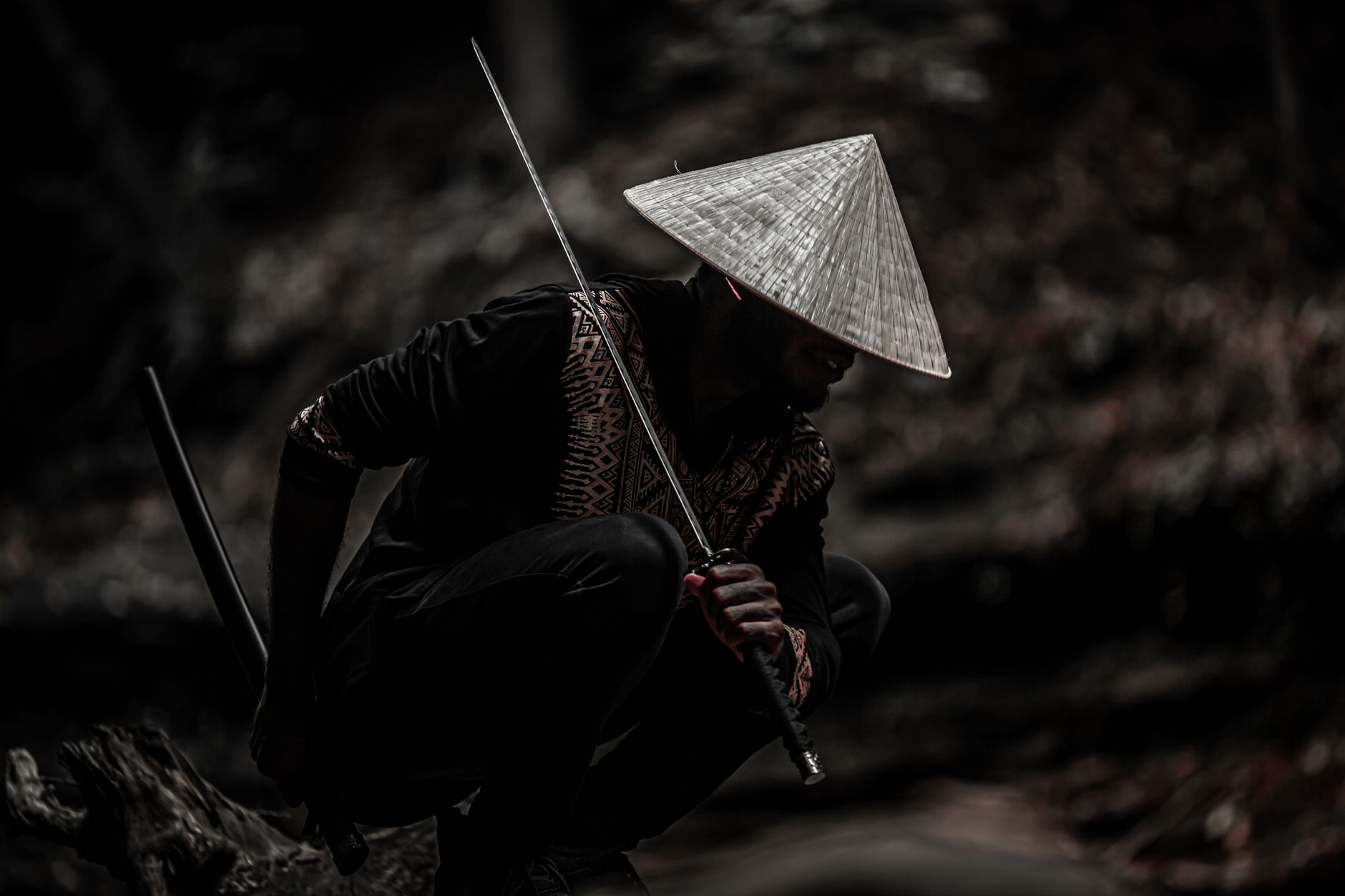
The image of the samurai is instantly recognizable: a stoic warrior clad in lacquered armor, hand resting on the hilt of a katana. But behind the steel and silk lay a complex psychological framework that governed every aspect of a warrior's life. This wasn't just a job; it was an existential path demanding total obedience. We are diving deep into the history of the Samurai Code of Honor: Bushido, Duty and Death Explained, to uncover the truth behind the legend. From the battlefields of feudal Japan to the quiet ritual of seppuku, discover the strict moral compass that shaped a nation.
The Origins of the Warrior’s Way
The history of the Samurai Code of Honor is not a single event but a gradual evolution spanning centuries. The term "Bushido" translates literally to "the way of the warrior," yet this specific phrase wasn't widely used until the Edo period (1603–1867). However, the roots of these ideals stretch back to the Kamakura period (1185–1333). During this time, Japan transitioned from a court-centered government to a military rule known as the shogunate.
Early samurai were essentially mounted archers serving as enforcers for land-owning nobles. Their initial code was pragmatic, focused on battlefield survival and victory rather than high philosophy. As the clans battled for supremacy—most notably the Minamoto and Taira families—a culture of extreme loyalty to one's feudal lord, or daimyo, became paramount.
The turning point came with the establishment of the Tokugawa shogunate in 1603. Suddenly, Japan was unified, and the era of constant civil war ended. Samurai found themselves without wars to fight. To prevent this warrior class from becoming restless or dangerous, the Tokugawa shogunate formalized their role as administrators and bureaucrats. It was during this time of relative peace that the Samurai Code of Honor was codified in writing. Texts like The Book of Five Rings by Miyamoto Musashi and Hagakure by Yamamoto Tsunetomo provided the philosophical backbone. Tsunetomo’s famous line, "The Way of the Samurai is found in death," cemented the morbid dedication that defined the class for modern historians.
The 47 Ronin: Duty and Death in Action
The most famous illustration of Bushido in action is the true story of the Forty-seven Ronin, also known as the Ako Incident. In 1701, Asano Naganori, a young daimyo, was provoked into drawing his sword inside Edo Castle by Kira Yoshinaka, a powerful court official. Drawing a weapon in the castle was a capital offense. Asano was forced to commit seppuku (ritual suicide), and his lands were confiscated.
This event left Asano’s 300 samurai masterless, making them ronin. According to Bushido, a samurai whose master dies must follow him in death. However, the code also dictated giri—duty or moral obligation. Forty-seven of these ronin, led by Oishi Kuranosuke, chose a path of delayed vengeance rather than immediate suicide. They spent two years planning in disguise, waiting for Kira to drop his guard.
In 1703, the 47 ronin stormed Kira’s mansion, killed him, and placed his severed head on Asano’s grave. They had acted with perfect loyalty, but because they took the law into their own hands, the shogunate ordered them to commit seppuku. All 46 surviving ronin (one was sent as a messenger) did so on the same day. This event is the ultimate example of the conflict and unity between loyalty and the acceptance of death that Bushido demands. It showed that for a samurai, the preservation of honor superseded the preservation of life.
Surprising Facts Most People Don’t Know
When studying facts about the Samurai Code of Honor: Bushido, Duty and Death Explained, misconceptions often arise from modern cinema. First, samurai were not always the noble, altruistic heroes depicted in movies. During the Sengoku period (Warring States), clan loyalty was fluid. Samurai often switched sides if their lord was defeated or if a better offer came along. The rigorous "death before dishonor" standard became stricter only during the peaceful Edo period when warriors needed a way to distinguish themselves from the merchant class without fighting actual wars.
Another surprising fact is the role of Zen Buddhism. While Christianity forbids killing, Zen Buddhism was adopted by the samurai because it emphasized meditation and presence of mind. This allowed a warrior to disassociate from the emotional weight of taking a life, viewing the act as a cosmic release rather than a sin. Finally, the iconic katana was not the primary weapon for most of samurai history. For centuries, the samurai were primarily archers who used the yumi (bow). The sword became the "soul of the samurai" only when warfare shifted to close-quarters infantry combat.
Impact and Legacy
The impact of the Samurai Code of Honor extended far beyond the battlefield. It created a rigid social hierarchy in Japan that lasted for over 250 years. This ethical system prevented the collapse of the Tokugawa shogunate by enforcing order and suppressing dissent. However, the code was eventually weaponized. In the late 19th and early 20th centuries, during the Meiji Restoration and the lead-up to World War II, the Japanese government revived and secularized Bushido. They used it to instill unconditional obedience and a readiness to die for the Emperor in the general population and military.
This modern incarnation had little to do with the nuanced philosophy of the Edo period and became a tool for nationalist militarism. The legacy of Bushido is therefore double-edged: it represents a beautiful pursuit of artistic mastery and discipline, but also a dangerous history of blind obedience that led to mass destruction in the 20th century.
Why This Still Matters Today
You might wonder why a medieval code for warriors is relevant in modern America. The answer lies in corporate culture and personal development. Concepts from Bushido, such as Kaizen (continuous improvement) and extreme dedication to one's craft, are central to modern business practices and manufacturing methodologies. The psychological endurance described in Hagakure is often cited by athletes and CEOs alike to build mental toughness. Furthermore, understanding the history of this mindset helps us analyze contemporary cultures of overwork, where "duty" to a company can sometimes mirror the destructive fealty of a samurai to his lord.
Quick Facts
- 1185–1333: The Kamakura period marked the rise of the samurai class and military government (Shogunate).
- 1615: The siege of Osaka ended the Warring States period, beginning an era of peace.
- 1703: The 47 Ronin avenged their master and committed seppuku, becoming Bushido legends.
- 1899: Nitobe Inazo published "Bushido: The Soul of Japan" in English, codifying the concept for the West.
- Seppuku: Also known as hara-kiri, it was a ritualized method of suicide to restore honor.
- 1876: The Haitrei Edict abolished the right of samurai to carry swords in public, ending the era.
Conclusion
The Samurai Code of Honor is a fascinating tapestry of loyalty, discipline, and fatalistic worldview. It transformed rough fighters into poets and administrators who valued death more than a life lived in shame. While the era of the samurai is long gone, the ghost of Bushido lingers in both corporate boardrooms and historical memories. Do you think the concept of "duty above self" is admirable or dangerous in today's world?