Introduction
Deep within the dense rainforests of Mexico and Central America, crumbling stone temples pierce the canopy. These ruins are the silent witnesses to one of history's most sophisticated ancient cultures. For centuries, the Maya civilization thrived, developing advancements in astronomy and mathematics that rivaled any in the world. Yet, just as their power peaked, their great cities were mysteriously abandoned to the jungle. This article explores the trajectory of the Maya civilization: rise, fall and mystery, revealing the truth behind their empire.
Origins and Early Development (2000 BC – 250 AD)
The story of the Maya begins long before the pyramids rose. Around 2000 BC, the ancestors of the Maya settled in the region known as Mesoamerica. This area encompasses modern-day Yucatan, Guatemala, Belize, and Honduras. Initially, these were small agricultural villages. They cultivated maize, beans, and squash, a trio known as the "Three Sisters" that sustained their population for millennia.
By 1000 BC, during the Preclassic Period, these villages began to coalesce into complex societies. They traded heavily with the neighboring Olmec civilization, adopting artistic styles and religious concepts. The Olmecs are often called the "mother culture" of Mesoamerica, but the Maya quickly forged their own distinct identity. Massive construction projects began at sites like El Mirador in Guatemala.
The ruling elite, known as the k'uhul ajaw (divine lords), consolidated power. They claimed lineage from the gods to justify their authority. This period saw the invention of the complex Maya writing system, one of only a few fully developed writing systems in the pre-Columbian Americas. By the end of the Preclassic period, the foundation for a golden age was firmly set.
The Classic Period: A Golden Age (250 AD – 900 AD)
The Classic Period represents the peak of the Maya civilization. This era saw the flourishing of dozens of powerful city-states, including Tikal, Palenque, Calakmul, and Copán. It is crucial to understand that the Maya were never a unified empire under one ruler. Instead, they were a collection of rival kingdoms connected by trade, shared culture, and constant warfare.
This era produced the cultural and scientific feats that make the Maya famous today. Their astronomers mapped the heavens with terrifying precision. They calculated the solar year to be 365.2420 days, more accurate than the Julian calendar used in Europe at the time. They also developed the concept of zero, a mathematical breakthrough that allowed for complex calculations and astronomical tracking.
However, this success came with intense conflict. The rivalry between Tikal and Calakmul defined the politics of the era. These superpowers engaged in "star wars," conflicts predicted by the alignment of Venus, leading to the conquest and humiliation of the loser. This constant warfare eventually stretched the resources of the Maya aristocracy, setting the stage for a dramatic shift. Meanwhile, the common population labored to support the massive building projects of the kings, straining the society to its limits.
The Surprising Collapse: It Wasn't an Overnight Event
Popular culture often portrays the Maya collapse as a sudden, vanishing act. History books used to speculate that they were wiped out by invasion or disease. The reality is much more complex and surprisingly modern. The "collapse" primarily affected the southern lowlands—the dense jungle cities—during the Terminal Classic period (roughly 800 AD to 900 AD).
Scholars now believe a combination of severe drought and political upheaval caused the abandonment of these cities. Recent paleoclimatic studies using lake sediment and stalagmites suggest a series of catastrophic droughts hit the region. In a society dependent on rain-fed agriculture, this was a death blow. The Maya had no major river systems in the south to rely on.
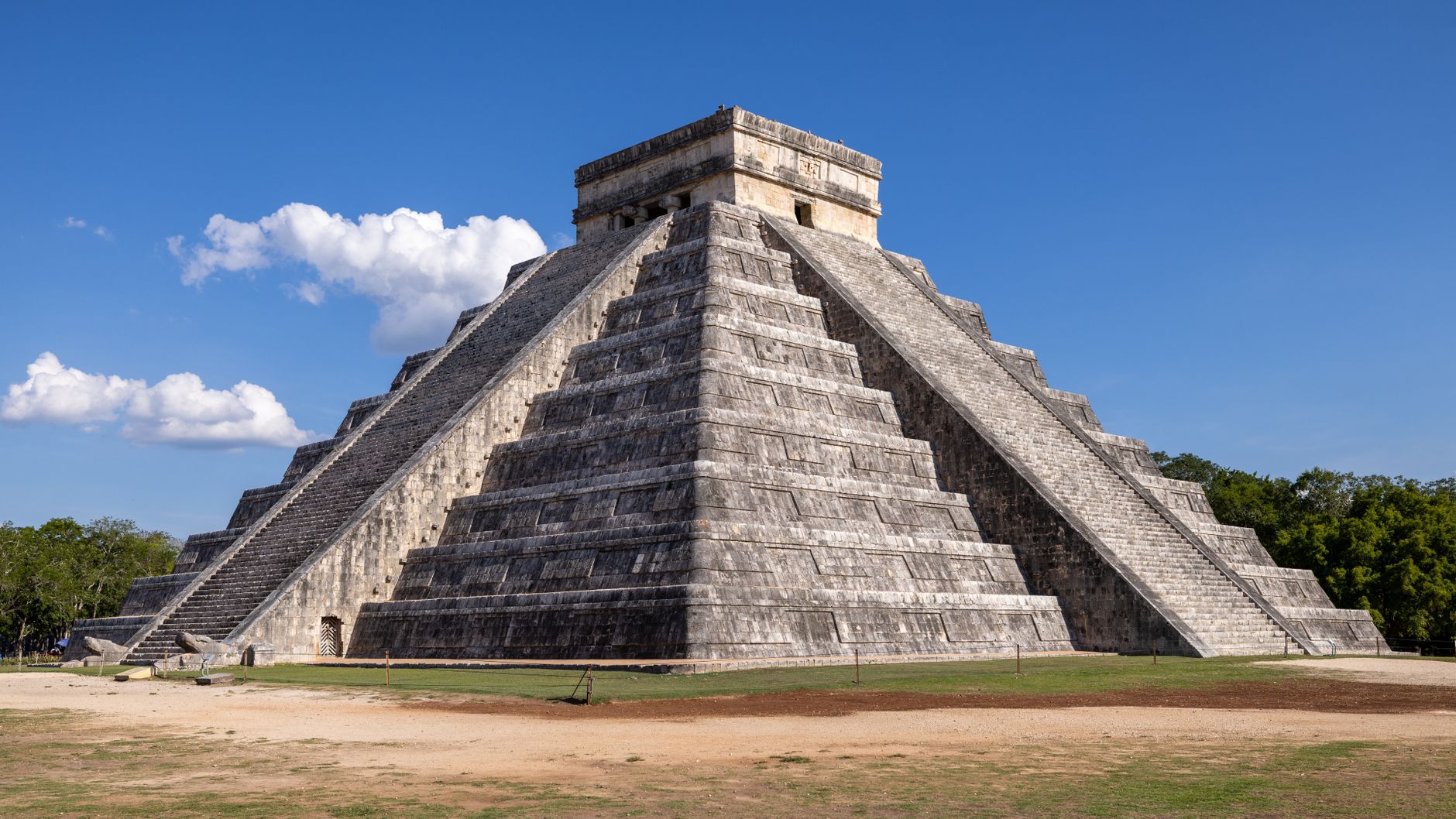
This environmental crisis shattered the people's faith in their divine kings. The kings promised rain and order through their blood rituals. When the rain stopped and the crops failed, the political system imploded. People stopped building monuments, fled the cities, and returned to the countryside. However, the Maya did not disappear. The civilization shifted north. Cities like Chichen Itza on the Yucatan Peninsula rose to prominence immediately after the southern cities fell. The "end" was actually a transformation and a migration.
Surprising Facts About the Maya Civilization
Many misconceptions cloud our understanding of the Maya. One of the most persistent myths is that they were peace-loving stargazers. In reality, warfare was integral to their society. Captured kings were subjected to torture and sacrifice to appease the gods.
Another surprising fact involves their view of time. While they are famous for their Long Count calendar, they did not predict the world would end in 2012. That date simply marked the end of a major calendar cycle, much like a New Year's Eve celebration. Furthermore, the Maya had a concept of zero and used base-20 mathematics centuries before these concepts were adopted in Europe.
Perhaps the most shocking fact is that the Maya civilization never truly collapsed in the way people think. There are still over 6 million Maya people living today, speaking 30 distinct Mayan languages. They preserved their culture through the Spanish Conquest and into the modern era, maintaining traditions that date back thousands of years.
Impact and Legacy
The legacy of the Maya extends far beyond the ruins tourists visit today. Their agricultural innovations, including the technique of "terra preta" (creating nutrient-rich soil), are still studied by modern scientists looking for sustainable farming solutions. Their codices and carvings provide the only written historical record of pre-Columbian America.
Culturally, the Maya resilience influenced the colonial period and shapes modern national identities in Central America. The intricate weaving patterns found in modern Maya textiles tell ancient stories that survived the book burnings of the Spanish Inquisition. The decipherment of their glyphs in the late 20th century revolutionized archaeology, proving that the "dark ages" of the Americas were actually periods of high intellectual achievement.
Why This Still Matters Today
The story of the Maya offers a stark warning for our modern civilization. Their environmental collapse serves as a case study in how deforestation and climate change can destabilize even the most sophisticated societies. As we face our own climate crisis, archaeologists look to the Maya to understand how societies adapt—or fail to adapt—to environmental stress.
Furthermore, the Maya remind us of the resilience of indigenous cultures. Despite colonization and attempts to erase their history, they endure. Their history challenges the Eurocentric view that civilization is a linear path beginning in Mesopotamia or Egypt. It highlights the Americas as a vibrant, independent cradle of human ingenuity.
Quick Facts
- Geographic Range: Covered modern-day Mexico, Guatemala, Belize, and Honduras.
- Population Peak: At its height, the population may have reached 2 million people.
- Time Span: The civilization lasted over 3,000 years (approx. 2000 BC to 1500s AD).
- Architectural Marvel: Tikal's Temple IV stands 212 feet (64 meters) tall.
- Writing System: Used over 800 distinct hieroglyphic signs.
- Date of Collapse: The Classic Maya collapse in the southern lowlands occurred roughly between 800 and 950 AD.
Conclusion
The Maya civilization was a tapestry of scientific brilliance, artistic beauty, and brutal political reality. Their rise was built on ingenuity, and their fall was likely a tragic interaction between nature and human hubris. They did not vanish; they evolved. Walking through the ruins of Tikal or viewing a modern Maya weaving reveals the same enduring spirit. What aspect of Maya resilience or scientific achievement do you find most inspiring?