Introduction
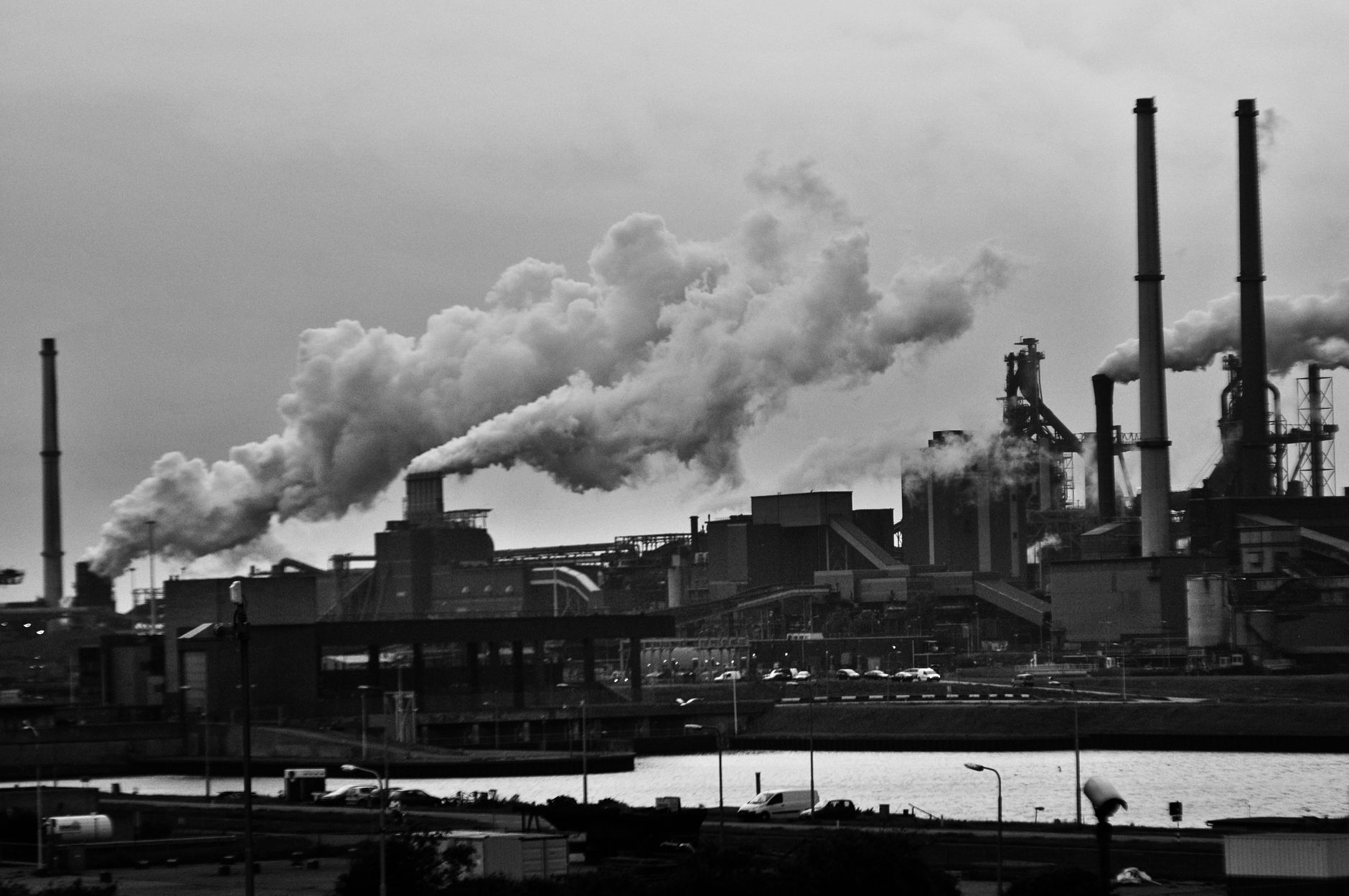
Imagine a world where the loudest sound you hear is the blacksmith’s hammer, only to have it replaced by the never-ending clatter of steam engines. This shift wasn't just a change in volume; it was a total restructuring of human existence. It marked the transition from agrarian, hand-crafted economies to machine-driven manufacturing powerhouses. In this article, we’ll explore the history of the impact of the Industrial Revolution on society, from the soot-covered cities to the birth of the modern middle class. We will dig into the harsh realities of factory life and the surprising ways this era still dictates how we live today.
Background and Origins: The Shift from Farms to Factories
The Industrial Revolution began in Great Britain around 1760, but its roots went deeper into the soil of the Agricultural Revolution. Prior to this era, most people lived in rural areas, working the land using inefficient tools that hadn’t changed in centuries. However, new farming techniques, such as crop rotation and the enclosure movement, forced smaller farmers off the land. This created a surplus of labor just as inventors were looking for ways to speed up production.
Simultaneously, Britain had an abundance of natural resources—specifically coal and iron—and a vast colonial empire that provided raw materials and markets. The textile industry was the first to transform. Inventions like the Spinning Jenny (1764) and the water-powered frame (1769) moved production from cottages to factories. The critical turning point arrived when James Watt improved the steam engine in 1776. This allowed factories to operate anywhere, not just near fast-flowing rivers, and set the stage for the massive urban migration that would define the 19th century.
Core Story: Urbanization and the Rise of the Factory System
The most immediate and visible impact of this era was rapid urbanization. Between 1800 and 1850, the population of cities like Manchester and Glasgow exploded. People flocked to these industrial hubs in search of work, but they often found themselves living in squalid conditions. The factory system fundamentally altered the rhythm of daily life. Unlike farming, which is dictated by the seasons and the sun, factory work was dictated by the clock. "Time is money" became the new doctrine, and workers lived their lives by the relentless whistle of the factory foreman.
Inside these factories, conditions were often brutal. Shifts typically lasted 12 to 16 hours, six days a week. There were no safety regulations, and accidents were commonplace. It was dangerous work for men, but it also fundamentally changed the role of women and children. Because unskilled labor was in high demand, entire families often worked in the mills. Children as young as five were employed to crawl inside large machinery to fix broken threads or retrieve fallen debris, as their small hands were seen as assets rather than a tragedy. This period saw the commodification of labor in a way that had never occurred before, stripping workers of their independence and tying their survival entirely to the whims of factory owners.
Surprising Facts Most People Don't Know
While we often picture the Industrial Revolution as a time of inevitable progress, the reality was filled with strange contradictions and resistance. One surprising fact is that the standard of living for the average worker did not improve immediately; for the first few decades, it actually deteriorated. Wages were low, and food prices were high, leading to periods of malnutrition among the urban poor despite the increased production of goods.
Another misunderstood aspect involves the Luddites. History books often paint them as anti-technology barbarians, but they were actually skilled artisans fighting for fair labor practices. Between 1811 and 1816, they smashed machinery not because they hated machines, but because automated looms were producing inferior, cheap goods that replaced skilled labor with low wages. Furthermore, the Industrial Revolution contributed to a height difference disparity. Due to poor nutrition and cramped living conditions in cities, the average height of the British population actually decreased during the peak early industrial years, a trend only reversed later by better sanitation and diet.
Impact and Legacy: Class Structures and Consumerism
The long-term legacy of the Industrial Revolution is the creation of the modern social class system. Before this era, society was largely divided into the landed aristocracy and the peasantry. The revolution birthed two new distinct classes: the industrial bourgeoisie (owners of production) and the proletariat (the wage workers). This shift gave rise to new political movements, including Marxism and socialism, as workers organized to demand better rights, shorter hours, and safer conditions. The pressure eventually led to crucial reforms like the Factory Act of 1833 in Britain, which restricted child labor.
Economically, the revolution triggered the rise of consumerism. Mass production made goods like textiles, cookware, and eventually vehicles affordable to the general public, not just the wealthy. This created a culture of consumption that drives the global economy today. It also solidified the global economic dominance of Western nations, who used their industrial might to colonize and control markets in Africa and Asia, creating an economic divide between the Global North and South that persists to this day.
Why This Still Matters Today
We are currently living through the Fourth Industrial Revolution, driven by digital technology and artificial intelligence, yet the lessons from the first one are startlingly relevant. The anxiety workers felt in the 1800s about being replaced by machines mirrors today's fears regarding automation replacing jobs in IT and manufacturing. Our current education system, which batches students by age and rings bells to signal transitions, was actually designed during the Industrial Revolution to create disciplined factory workers.
Additionally, the origins of our current environmental crisis can be traced directly to the burning of fossil fuels that began in the 18th century. Understanding the social costs of that transition helps us navigate our shift toward green energy today. It reminds us that technological advancement is not synonymous with social progress unless we actively fight for equitable policies.
Quick Facts
- 1760: The approximate start date of the First Industrial Revolution in Great Britain.
- 1785: Edmund Cartwright patented the power loom, revolutionizing textile weaving.
- 1825: The world's first public steam railway opened between Stockton and Darlington.
- 1842: The Mines Act prohibited women and girls and all boys under ten from working underground in coal mines.
- 1851: The Great Exhibition in London showcased industrial achievements to the world.
- 1914: By the eve of WWI, the Industrial Revolution had fully spread to the U.S., Germany, and Japan, shifting the global balance of power.
Conclusion
The impact of the Industrial Revolution on society was a double-edged sword, cutting a path toward modern prosperity while leaving deep scars on the working class. It transformed us from a rural species into an urban one, redefined the family unit, and established the economic systems that govern our lives. While it delivered us from the limitations of muscle power, it chained us to the clock and the assembly line. As we stare down a new era of automation, we must ask: are we doomed to repeat the mistakes of the past, or can we learn from them to create a more equitable future?