Introduction
Imagine a network of pathways stretching 4,000 miles across hostile deserts and towering mountains, where merchants risked bandits, sandstorms, and starvation to transport treasures half a world away. The Silk Road wasn't a single road but a complex web of trade routes that connected civilizations for over 1,500 years. In this article, we'll explore the fascinating history of these ancient pathways, discover what made the Silk Road so pivotal to human development, and uncover surprising facts most people don't know about this trade network that literally changed the world.
Background and Origins
The Silk Road traces its roots to the Han Dynasty of China, specifically around 130 BCE, when Emperor Wu dispatched his imperial envoy Zhang Qian on a diplomatic mission westward. This journey, though initially aimed at forming alliances against the Xiongnu nomads, opened the floodgates for trade between East and West. What began as primarily a Chinese silk market eventually became a massive exchange network for goods, technologies, religions, and ideas.
The routes expanded from Chang'an (modern-day Xi'an) to the Mediterranean, with branches extending to India, Tibet, and even Egypt. The journey was grueling—merchants could spend years traveling the full length of the route, facing bandits, harsh weather, and dangerous terrain. Yet the potential profits made the risks worthwhile.
The name "Silk Road" is actually a relatively recent invention. German geographer Ferdinand von Richthofen coined the term "Seidenstraße" (Silk Road) in 1877, long after the routes had been abandoned. Even then, silk was just one of many valuable commodities exchanged along these pathways.
Marco Polo's famous 13th-century travels along the Silk Road brought these routes to European attention, though his accounts contain likely exaggerations about his personal experiences. His writings nonetheless ignited European interest in Asian trade, setting the stage for later Age of Exploration voyages.
Key Events and the Core Story
The Silk Road's golden age flourished under the Tang Dynasty (618-907 CE) when China experienced unprecedented prosperity and openness to foreign cultures. During this period, the routes saw not just merchant caravans but also Buddhist monks traveling from India, Persian medical experts bringing new healing techniques, and artisans sharing specialized skills.
One of the most remarkable aspects of Silk Road history was the caravan system. Merchants rarely traveled the entire route alone; instead, goods changed hands multiple times as different merchant groups specialized in particular segments. A bolt of silk might pass through dozens of merchants before reaching its final destination in Rome or Constantinople.
The physical routes evolved over time but generally included:
- The Northern Route: Through what is now northern China, Kazakhstan, and Uzbekistan
- The Southern Route: Through the Karakoram Mountains into northern India
- Routes across the Pamir Mountains connecting Central Asia to Persia and the Mediterranean
Trade wasn't the only thing moving along these paths. Religions like Buddhism traveled from India to China, while Christianity spread eastward to Central Asia. These cultural exchanges arguably exceeded the importance of material goods in their long-term impact.
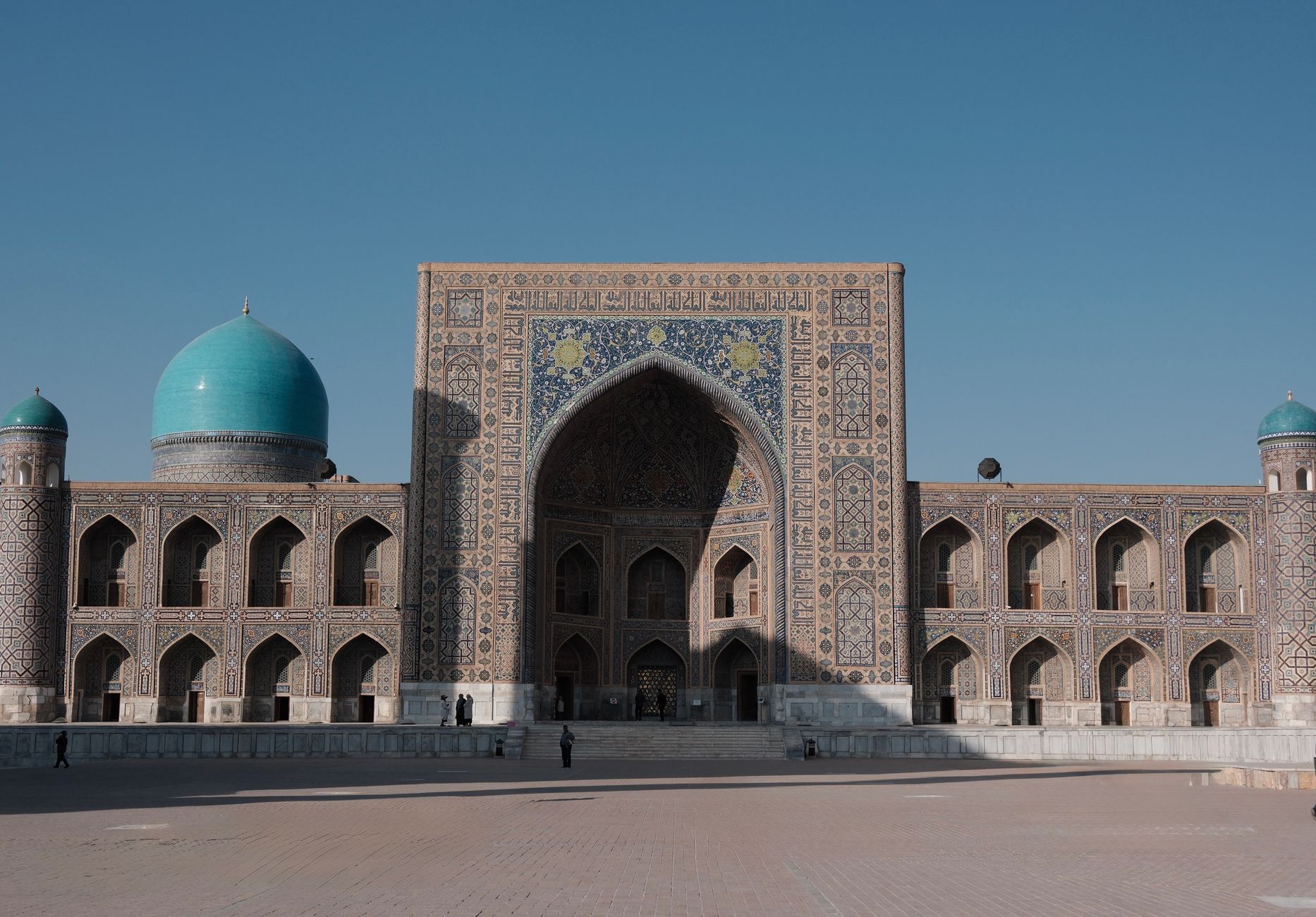
The Silk Road also witnessed significant historical events. The Islamic conquests of Central Asia (7th-8th centuries) transformed the region and added new merchants to the trade network. The Mongol Empire (13th-14th centuries) created one of the largest unified territories in history, making travel safer and trade more efficient across the entire Silk Road network under the Pax Mongolica.
Surprising Facts Most People Don't Know
Contrary to popular belief, silk wasn't the most important commodity on the Silk Road by volume. While certainly valuable, other goods including spices, medicines, jade, porcelain, wool, and glass moved in much larger quantities. Paper, a Chinese invention, was one of the most revolutionary products to spread westward, fundamentally changing how knowledge was recorded and transmitted.
The "Silk Road" wasn't primarily a single road but rather a network of routes that waxed and waned over nearly 1,600 years. Some sections were maritime routes across the Indian Ocean, connecting Chinese and Indian ports with Egypt and the Roman Empire. These maritime silk roads often carried more bulk goods than the overland routes.
Black Death, the pandemic that killed an estimated 75-200 million people in the 14th century, traveled along Silk Road trade routes. The disease originated in Asia and moved westward with merchant caravans, eventually reaching Europe where it caused catastrophic population decline.
Silk production methods were one of China's most closely guarded secrets for centuries. The process of turning silkworm cocoons into thread was known only within China for approximately 3,000 years, until silk moths were smuggled out of China around 550 CE by two monks hiding them in bamboo walking sticks.
The Silk Road wasn't primarily used by common people but served elites first. Luxury goods for wealthy classes dominated the early centuries, with more practical items becoming more important as time passed. The ordinary people along these routes often benefited from the cultural exchanges even if they couldn't afford the finished goods.
Impact and Legacy
The Silk Road's impact extended far beyond commerce. It served as an information superhighway of its time, facilitating one of the most significant periods of cross-cultural exchange in human history. Diseases, technologies, religions, artistic styles, and scientific knowledge all traveled these pathways, fundamentally transforming civilizations on multiple continents.
The transmission of Buddhism from India to China along the Silk Road represents one of the most profound religious migrations in history. Buddhist art, such as the stunning cave paintings at Dunhuang, incorporated styles from multiple cultures, creating entirely new artistic traditions.
Technology transfer was equally transformative. Paper-making reached the Islamic world by the 8th century and Europe by the 11th century, revolutionizing written communication. Gunpowder, compasses, and printing techniques—all Chinese