Introduction
Imagine a bustling afternoon interrupted by a thunderous crack, suddenly plunging a vibrant city into total darkness. This was the reality for the citizens of Pompeii in 79 AD when Mount Vesuvius erupted with the force of a nuclear bomb. The city was buried under layers of ash and pumice, remaining lost for centuries until its rediscovery offered an unprecedented window into Roman life. This article explores the history of the last days of Pompeii: a city frozen in time, examining the causes, the events of that fateful day, and the legacy it left behind.
Background and Origins
Long before the catastrophe, Pompeii was a flourishing Roman city located in the Campania region of Italy, roughly five miles from Mount Vesuvius. Its strategic location near the Bay of Naples made it a popular resort destination for wealthy Romans and a vital hub for trade. The city was originally settled by the Oscans and later influenced by the Greeks and Samnites before becoming a Roman colony in 80 BC.
Pompeii covered roughly 66 hectares and housed an estimated population of 11,000 to 20,000 people. The city boasted a complex infrastructure featuring an amphitheater, public baths, a forum, and a sophisticated water system. However, the region was no stranger to seismic activity. A massive earthquake devastated the city in 62 AD, damaging buildings and infrastructure.
Reconstruction efforts were still ongoing seventeen years later. Archaeologists believe that many residents were in the process of repairing these damages when the volcano erupted. The people of Pompeii did not even know that the looming mountain was a volcano, as it had been dormant for nearly 1,800 years. This lack of geological knowledge meant they had no concept of the lethal threat living in their backyard.
Key Events: The Day of the Eruption
The sequence of events that led to the city's destruction is meticulously documented by Pliny the Younger, an author and administrator who witnessed the disaster from across the bay. His letters to the historian Tacitus provide the only surviving eyewitness account. The eruption began around noon—traditionally dated August 24, though recent archaeological evidence suggests it may have occurred in late October.
First, a massive column of smoke and ash rockets miles into the sky, blocking out the sun. This was followed by a rain of pumice stones that lasted for hours. Residents who had not evacuated immediately sought shelter indoors, but the weight of the accumulating debris caused roofs to collapse. This phase trapped many who might otherwise have escaped.
As night fell, the situation turned lethal. The collapse of the eruption column triggered pyroclastic surges—superheated clouds of gas and ash that moved down the mountain at incredible speeds. These surges, reaching temperatures of over 480°F (250°C), asphyxiated and incinerated anyone remaining in the city. It was not lava that destroyed Pompeii, but this toxic, hurricane-force cloud. Herculaneum, a neighboring town, was hit even harder by these surges, burying it instantly in volcanic mud.
Surprising Facts Most People Don't Know
One of the most common misconceptions about Pompeii is that its citizens were instantly "frozen" in time by lava. In reality, they were buried in ash. Years later, this ash hardened around decomposed bodies. When archaeologists excavated the site in the 19th century, they poured plaster into these hollow voids to create the casts famous today. These casts perfectly capture the final moments of men, women, children, and even dogs.
Another surprising fact is that Pompeii was a city of erotic art. The city was famous for its many brothels and sexually explicit frescoes in bathhouses and public spaces. When excavations began in the 1700s, King Francis I of Naples was so shocked by the artwork that he locked many artifacts away in a "Secret Cabinet," which remained closed to the public for nearly two centuries.
Furthermore, the city was incredibly diverse. Archaeologists have discovered graffiti and artifacts proving the presence of freed slaves, merchants from the Middle East, and perhaps even Chinese citizens. It was a cosmopolitan melting pot, not just a retreat for the Roman elite. Additionally, fast food was a staple of Roman life there. Archaeologists have unearthed roughly 80 thermopolia, ancient snack bars with jars containing remains of ducks, goats, fish, and snails—essentially the McDonald's of the ancient world.
Impact and Legacy
The immediate impact of the eruption was the total obliteration of the city and its surrounding. Pompeii was wiped from the map, erased from administrative records, and was not rediscovered until the late 16th century during the digging of a canal. Formal excavations began in 1748 under the Bourbon King Charles of Spain, sparking a wave of "Pompeianism" that permeated European art and architecture.
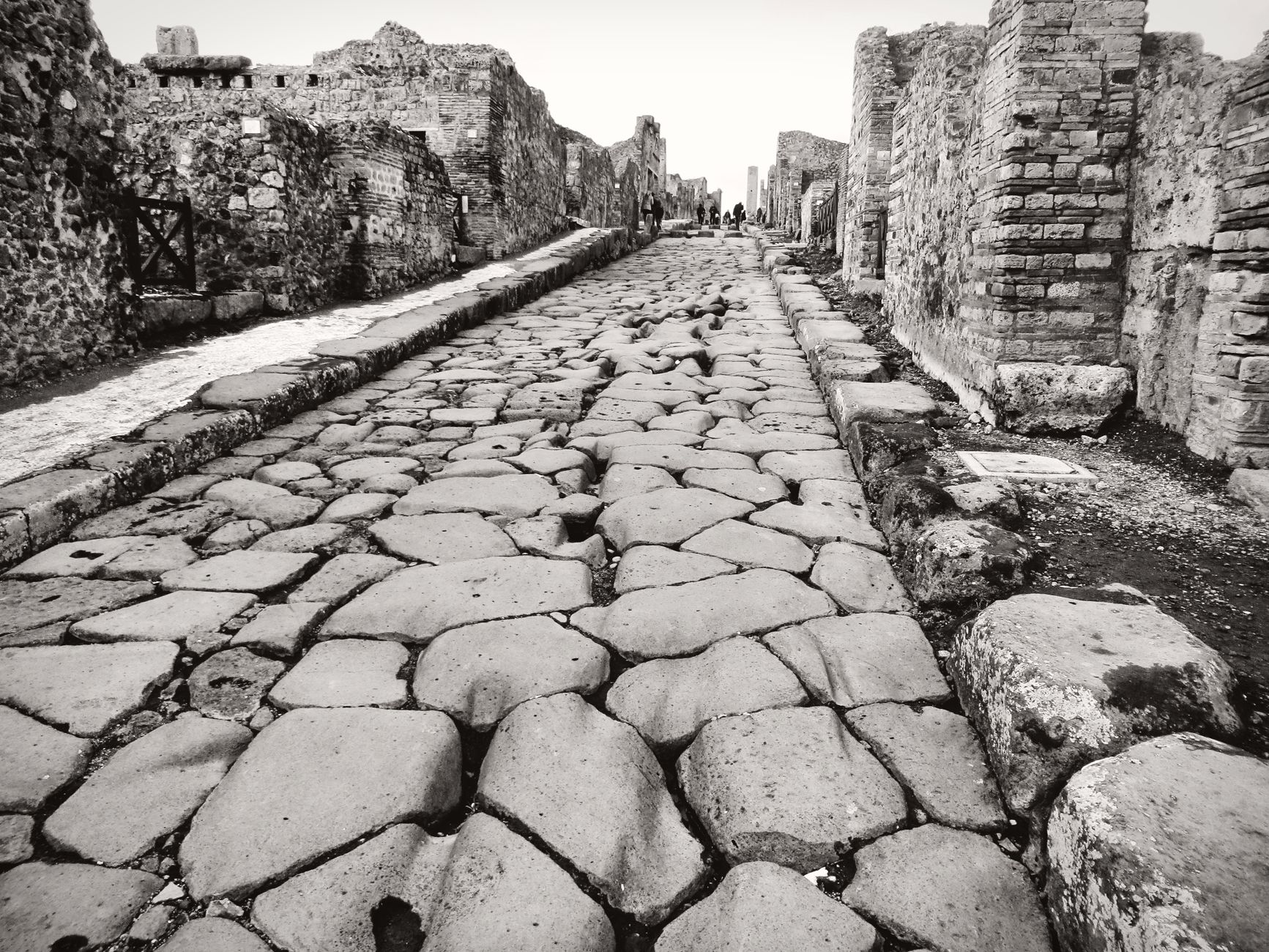
The excavation of Pompeii fundamentally changed the discipline of archaeology. Unlike other ancient sites that were stripped of treasures, Pompeii offered a complete urban context. Walls stood high, furniture was in place, and food remained on tables. It allowed historians to understand the daily domestic life of ordinary Romans, rather than just their architecture and gods.
The preservation of organic matter—wood, textiles, and even bread—provided insights that stone artifacts alone could never supply. This discovery challenged the Enlightenment view of Rome, revealing a society that was pragmatic, lewd, and surprisingly relatable. Today, Pompeii is a UNESCO World Heritage Site and one of Italy's most popular tourist attractions, pulling in millions of visitors annually who come to see a city stopped in its tracks.
Why This Still Matters Today
The tragedy of Pompeii serves as a grim reminder of nature's unpredictable power. Modern volcanologists use Vesuvius as a primary case study to understand how volcanic plumes behave and how pyroclastic flows travel. The data collected from the geological layers at Pompeii helps authorities create evacuation plans for the 3 million people currently living in the danger zone around Naples today.
Beyond science, the preservation of Pompeii offers a unique mirror to our own society. Seeing the political graffiti on the walls and the daily routines of long-dead citizens breaks the barrier of time. It reminds us that human concerns—politics, dinner, business, and safety—are timeless. In a world of rapid change, looking at a society suspended in a single moment forces us to reflect on the fragility of our own civilization.
Quick Facts
- Eruption Date: Historically August 24, 79 AD, though a charcoal inscription suggests October 17, 79 AD.
- Casualties: Approximately 2,000 people died in Pompeii (out of ~15,000 residents), while Herculaneum saw near-total loss of life.
- Rediscovery: The city was accidentally rediscovered in 1599, but serious excavation began in 1748.
- Plaster Casts: The technique of injecting plaster into ash voids was invented in 1863 by Giuseppe Fiorelli.
- Geography: Pompeii sat on a lava plateau formed by a previous eruption of Vesuvius thousands of years earlier.
- Current Status: Mount Vesuvius is the only active volcano on mainland Europe and is considered one of the most dangerous in the world.
Conclusion
The history of the last days of Pompeii: a city frozen in time, is more than just a grim catalog of death; it is a vibrant restoration of life. From the bustling snack bars to the terrified final embrace of a family, the site preserves a slice of humanity that would otherwise be lost forever. It teaches us about the past while warning us about the future. If you could visit Pompeii today, which aspect of Roman daily life would be most fascinating to witness in person?