Introduction
History usually remembers the victors, but in Ancient Egypt, it remembered those who could afford the best stone masons. For centuries, we thought we knew the complete timeline of the Pharaohs. We pictured a continuous line of god-kops building pyramids and crushing enemies. Yet, recent archaeological reveals prove this narrative is full of holes. Beneath the shifting sands of the Sahara lie rulers who were intentionally erased from existence or simply lost to the chaos of collapsing civilizations. This article explores the facts about Egypt's lost pharaohs, specifically those buried and forgotten by time, revealing the secrets of a dynasty that history tried to delete.
Why History Forgot Them: The Origins of Erasure
To understand why a Pharaoh would be lost, one must understand the Egyptian concept of Ma’at and the afterlife. The Egyptians believed that a person lived on as long as their name was spoken and their image remained. To kill a Pharaoh eternally, you didn’t just need to end their life; you had to erase their memory.
This practice, known today as Damnatio Memoriae, was a state-sanctioned punishment used by successors who viewed their predecessors as illegitimate or dangerous. The most famous victim is Hatshepsut (1479–1458 BC), one of Egypt's most successful female rulers. After her death, her stepson, Thutmose III, ordered a systematic campaign to smash her statues and chisel her name off temple walls. For over a thousand years, history forgot her; she was merely a "King's Wife" in the records until Egyptologists pieced her broken legacy back together in the 19th century.
Similarly, the Pharaoh Akhenaten (1353–1336 BC) was almost entirely scrubbed from history. He declared a religious revolution, banning the old gods and worshiping the sun disk, the Aten. The priesthood of Amun, enraged by the loss of power, ensured that after his death, his name was vilified, his capital city Amarna was dismantled, and his image was destroyed. It took modern excavations to rediscover the "Heretic King."
The Abydos Dynasty: A Lost Kingdom Rediscovered
While intentional erasure explains some gaps, neglect and the collapse of central authority explain others. A stunning example of a pharaohs truly "buried and forgotten" came to light in 2014. A team of archaeologists from the University of Pennsylvania, led by Dr. Josef Wegner, discovered a previously unknown royal dynasty at the southern site of Abydos.
This find changed the timeline of Egyptian history. Dating back to around 1650 BC, a time of political fragmentation known as the Second Intermediate Period, these rulers belonged to a "lost" dynasty that coexisted with the powerful Hyksos in the north. The discovery tomb of a previously unknown king named Senebkay was the centerpiece.
Senebkay, who likely lived around 1650 BC, was buried in a modest tomb that had been reused from an earlier period. What makes this discovery so poignant is that his sarcophagus was badly damaged by ancient tomb robbers, and his body was ripped apart. It wasn't just modern looters who forgot him; his contemporaries allowed his burial place to desecrate. Analysis of Senebkay’s skeleton revealed he died in his late 40s and stood about 5 foot 7 inches tall, but he showed signs of deep battle scars, suggesting a violent life in a fractured Egypt. The discovery of the Abydos Dynasty proved that history books had missed an entire lineage of kings who ruled from a forgotten capital, shedding light on a chaotic era often glossed over in textbooks.
Surprising Facts Most People Don't Know
We often think of every Pharaoh as all-powerful, but many "lost" pharaohs were actually regional warlords with very little resources. During the First and Second Intermediate Periods, centralized authority collapsed, and Egypt split into competing factions. These rulers had pyramids, but they were built of mud brick, not stone, and have since melted back into the landscape, effectively erasing the rulers themselves.
Another surprising fact is that the most famous tomb in history, Tutankhamun’s, was only saved from being a "lost" pharaoh because it was buried beneath the debris of a later tomb, KV9. If it hadn't been for a freak geological accident, Tutankhamun would have been another name lost to robbers and the elements. Furthermore, DNA testing on mummies has revealed that many "lost" mummies sitting in museum basins, unidentified for a century, belong to major figures. The mummy of Akhenaten was likely found in the KV35 cache, hidden by priests to save it from robbers, but misidentified for decades until modern science stepped in.
Impact and Legacy
The rediscovery of these lost pharaohs does more than fill in blanks on a timeline; it fundamentally changes our understanding of Egyptian resilience. The Abydos kings, for instance, show us that even in the darkest times of civil war, the concept of " Kingship" never truly died.
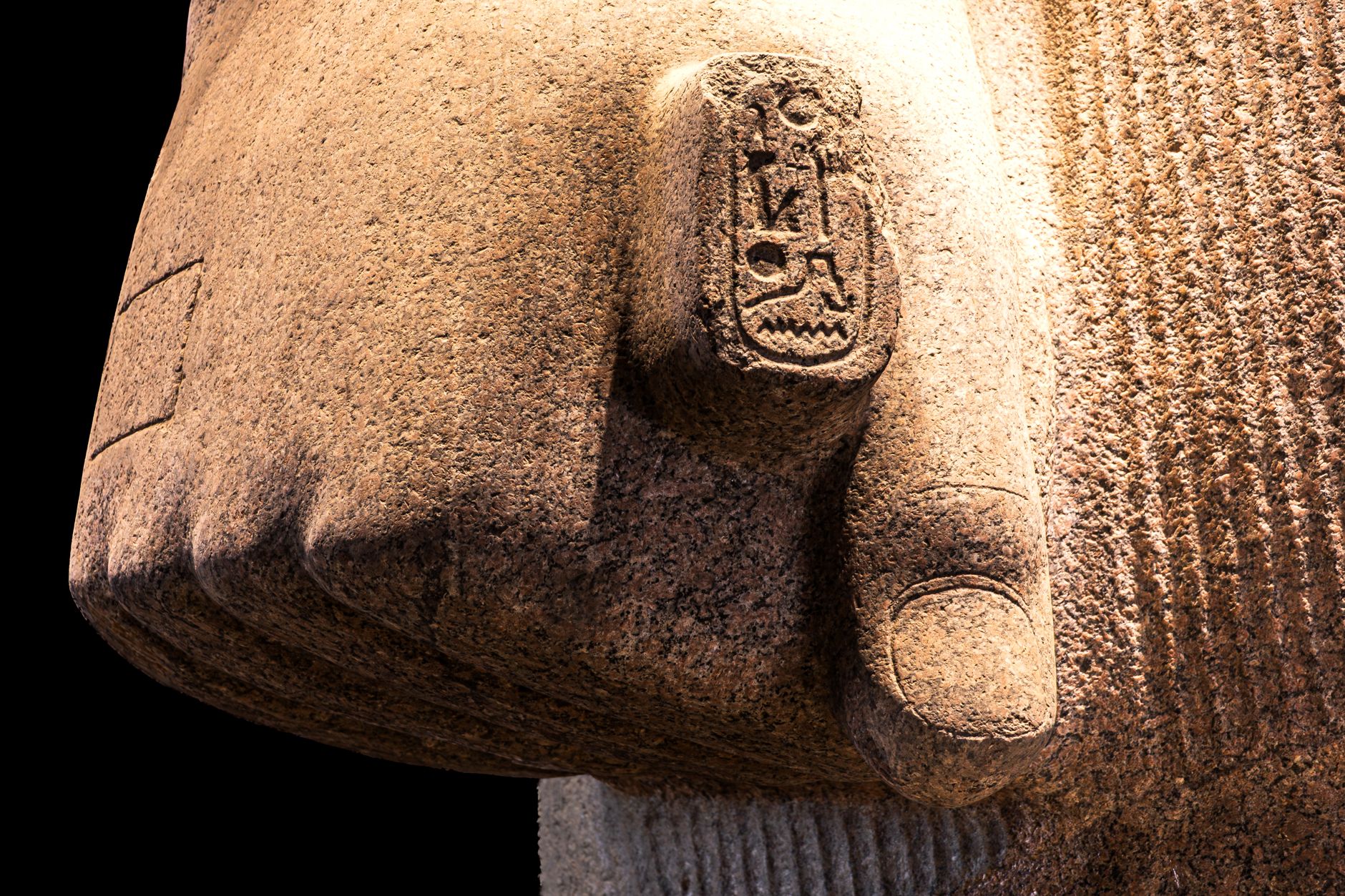
These discoveries also impact the field of Egyptology itself. The realization that entire dynasties went missing suggests that the desert holds more secrets than we can imagine. It forces historians to remain humble about what they think they know. The legacy of these forgotten rulers is a reminder that history is a fragmented puzzle, not a complete picture. Every time a new cartouche is found, the narrative of human civilization shifts, proving that ancient Egypt was far more complex, politically volatile, and fascinating than the classic image of a stable, timeless empire.
Why This Still Matters Today
Studying these lost pharaohs offers a mirror to our modern geopolitical landscape. The erasure of Hatshepsut or the vilification of Akhenaten parallels modern "cancel culture" and political attempts to rewrite history. By understanding how the Egyptians tried to control the narrative through stone and memory, we gain insight into how power and information are still managed today.
Furthermore, the economic hardship of the Second Intermediate Period, where the lost Abydos kings ruled, resonates with modern audiences who understand the fragility of nations. It teaches us that civilization is not guaranteed; it requires maintenance. The rediscovery of these kings fuels the global economy of tourism and heritage, keeping the wonder of the past alive in the present digital age.
Quick Facts
- The Abydos Dynasty was discovered in 2014 at the site of South Abydos.
- Pharaoh Senebkay’s tomb dates back to approximately 1650 BC.
- Hatshepsut’s images were systematically destroyed 20 years after her death.
- Akhenaten’s capital city, Amarna, was abandoned and dismantled shortly after his death.
- Over 200 forgotten royal mummies were moved to two "caches" (TT320 and KV35) by priests in the 21st Dynasty to protect them.
- The "lost" leaders of the First Intermediate Period often ruled for only a few years each, leading to rapid succession chaos.
Conclusion
The history of Egypt is not a straight line; it is a web of forgotten threads. From the erased monuments of Hatshepsut to the crumbling tomb of Senebkay, the sands of Egypt have swallowed whole dynasties. Yet, archaeology continues to pull them back into the light, proving that the dead do not always stay silent. As technology improves and excavations continue, who will be the next Pharaoh to emerge from the darkness? Which "lost" king is waiting just inches beneath the sand to have their name spoken again?
--
Sources:
- University of Pennsylvania Museum of Archaeology and Anthropology
- Journal of Egyptian Archaeology
- Griffith Institute archives