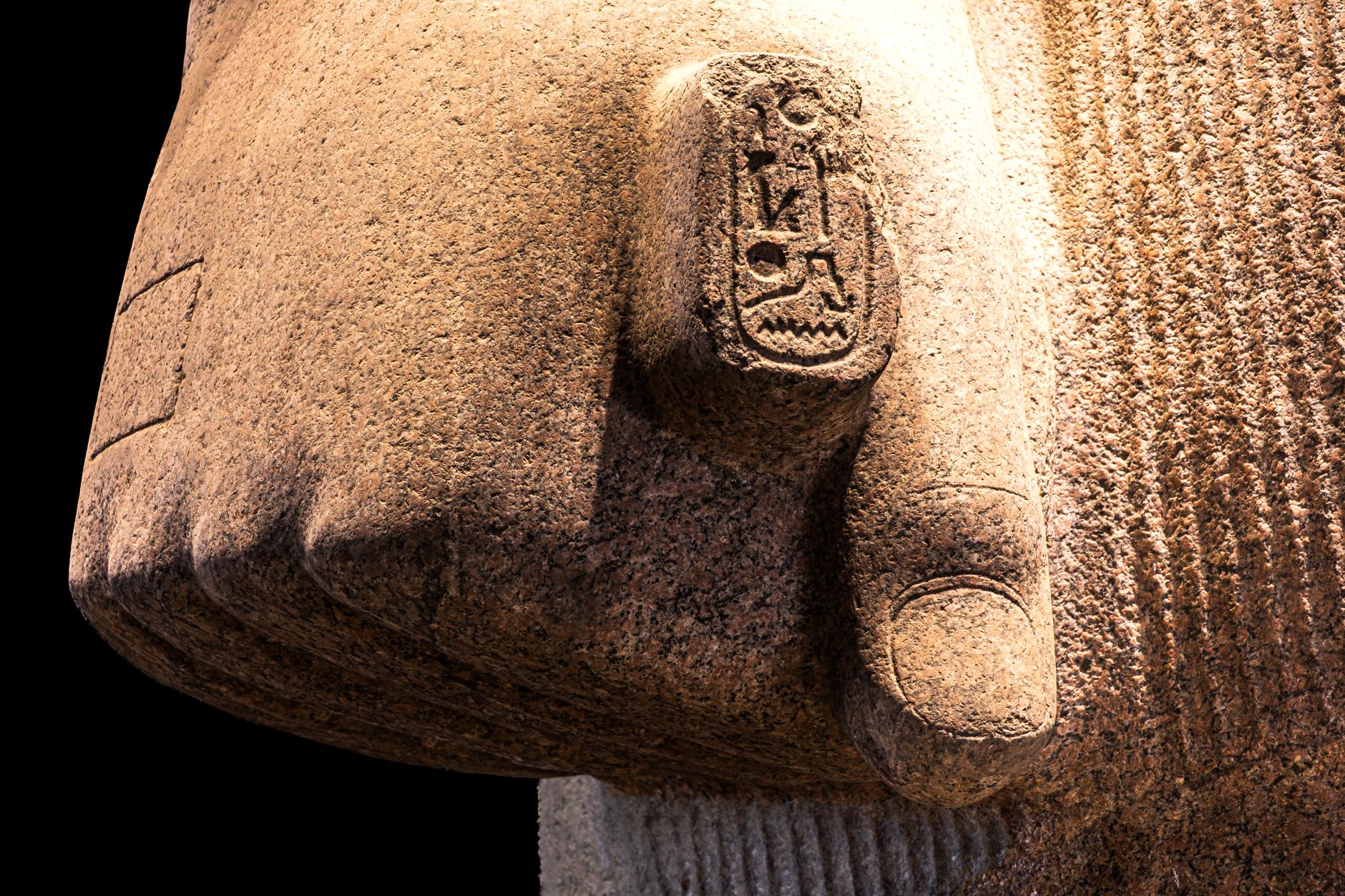
Ancient Egypt's Shining Beacon: Meet the Pharaohs
The Golden Mask of Tutankhamun glitters in museums, but it's a glimpse into the vast, untold story of Ancient Egypt's Pharaohs, the rulers who defied logic and time for over three millennia. From the majestic pyramids to the mighty Nile, their legacy is an intricate dance of power, politics, and divinity. In this fascinating article, we dive into the surprising truths behind the crowns, unearthing the history, strange customs, and immense authority of Egypt's enigmatic rulers. Buckle up and let's embark on this captivating journey to see the Pharaohs in a brand new light.
The Divine Origins of the Pharaohs
The history of the Pharaohs begins around 3100 BCE, a pivotal moment that set the course for human civilization. Before this era, Egypt was divided into two separate lands: Upper Egypt in the south and Lower Egypt in the north. According to legend, the first Pharaoh, Narmer (also known as Menes), united these two warring regions. This unification wasn't just a simple merger; it was the birth of a divine identity. The Pharaoh was no longer just a king; he was the earthly incarnation of Horus, the falcon-headed god of the sky.
As the supreme authority, the Pharaoh maintained "Ma'at," the cosmic order of truth, balance, and harmony. If the Pharaoh failed, the Egyptians believed chaos would engulf their world. This divine status dictated every aspect of their lives. To uphold their godliness, Pharaohs participated in elaborate rituals, such as the Sed Festival, which celebrated their continued rule and vitality, usually after 30 years on the throne. This festival was more than just a party: it was a theological reboot proving the king was still fit to lead the nation.
The Pharaonic lineage was complex, often passing through bloodlines but sometimes seized by military might. (This is where the art of dynastic politics really comes alive.) Historians rely heavily on the writings of Manetho, an Egyptian priest from the 3rd century BCE, who divided this vast timeline into 30 dynasties. This framework helps us navigate the rise and fall of empires, from the Old Kingdom's age of pyramids to the New Kingdom's imperial expansion. The Pharaoh was the linchpin of this elaborate system, a mortal man expected to perform god-like duties for the survival of his people.
The Height of Power: Pyramids and Empire
No topic sparks the imagination quite like the Old Kingdom, the "Age of the Pyramids." Around 2580 BCE, Pharaoh Khufu commissioned the Great Pyramid of Giza, which remains the only surviving wonder of the ancient world. Contrary to popular myth, these structures weren't built by whipped slaves – archaeological evidence suggests a massive workforce of well-paid laborers who feasted on a diet rich in protein – beef and sheep – considered a luxury at the time. They built these monuments as a national project, a sacred duty to their god-king.
Centuries later, during the New Kingdom (c. 1550–1077 BCE), the Pharaohs shifted focus from tomb-building to empire-building, an era known as the "Warrior Pharaohs." Thutmose III expanded Egypt's borders into the Near East, creating an empire that rivaled any in history. Later, Ramses II, known as Ramses the Great, ruled for 66 years. He was a master of propaganda, plastering the land with colossal statues of himself, including the famous temples at Abu Simbel. He famously battled the Battle of Kadesh against the Hittites around 1274 BCE. While claiming a crushing victory, the Kadesh Peace Treaty, signed nearly 16 years later, reveals a more nuanced story. It is the oldest known surviving peace treaty in the world, showcasing that even "living gods" had to engage in diplomacy.
One of the most captivating subplots in Pharaonic history is the reign of Hatshepsut (c. 1479–1458 BCE). Initially ruling as regent for her stepson, she eventually declared herself Pharaoh. Donning the traditional false beard and male kilts, she sought to assert her authority, blurring the lines between masculinity and femininity. Her reign was marked by peace and immense prosperity, particularly through trade expeditions to the Land of Punt, which brought back myrrh, gold, and living frankincense trees. Her success highlights the adaptability of the Pharaonic institution, even in a male-dominated society.
Surprising Facts Most People Don't Know
While Hollywood portrays Pharaohs as majestic, slow-moving figures with gold armbands, reality is often stranger than fiction. Here are some stunning historical facts. Firstly, hygiene was crucial – in a hot climate, it wasn't uncommon for Egyptians to shave their entire heads and bodies to prevent lice infestations. Elaborate wigs were donned for public appearances, scented with beeswax and frankincense for an intoxicating aroma.
Another common misconception involves incest. While intermarriage was indeed common among royal families to maintain "divine" blood, it wasn't universal. It became more prevalent during the Ptolemaic dynasty, the final dynasty of Egypt, famously exemplified by Cleopatra VII. Speaking of Cleopatra, she lived closer in time to the Moon landing (1969) than she did to the construction of the Great Pyramids – putting the sheer span of Egyptian history into perspective.
Furthermore, Pharaohs did not rule alone in the afterlife. Many were buried with their cherished pets, from dogs and cats to baboons and even hippos. Animals were revered as sacred companions, and the Pharaoh hoped to escort them to the Fields of Reeds in the afterlife. Finally, regarding the famous "Curse of the Pharaohs," it's largely a media invention created in the 1920s after the discovery of King Tut's tomb. While Howard Carter's sponsor, Lord Carnarvon, died shortly after the opening, most of the excavation team lived a long life. The "curse" was likely a fungal infection from the tomb – not supernatural magic.
Impact and Legacy
The influence of the Pharaohs extends far beyond modern Egypt's borders. Their architectural innovations set the standard for monumental building, and the majestic obelisks of Egypt can be found in world capitals like London, Paris, New York, and Rome. The Romans, who later conquered Egypt, were deeply enamored with Egyptian culture, incorporating Isis worship into their own pantheon. This cultural exchange ensured that the iconography of the Pharaohs survived even the decline of their power.
The Pharaohs also pioneered administration, developing a sophisticated bureaucracy to manage grain, taxation, and labor on a staggering scale. This system of centralization became a model for subsequent empires across the Mediterranean and Near East. Their contributions to medicine, as seen in the Edwin Smith Papyrus, showcase an impressive grasp of anatomy and surgical treatments, reflecting a deep appreciation for science and intellect.
Perhaps most critically, the Pharaohs created a permanent record of human history. Their fixation on immortality led to the preservation of bodies, artifacts, and written histories. Without the arid climate of Egypt and their unyielding desire to be remembered, our comprehension of the ancient world would be significantly hampered. Their legacy stands as a testament to the human aspiration to leave a mark that transcends the confines of time.
Why This Still Matters Today
Why should a modern reader care about men who lived over 3,000 years ago? The Pharaohs were the pioneers of the "Superstar" concept – they mastered image management through art and architecture long before social media. Studying them offers invaluable insights into the power of propaganda and manipulation. In today's era of fake news and spin, Ramses II's masterful rewriting of history serves as a timely reminder of the enduring impact of spin.
Additionally, the Pharaohs teach us about resilience – Egyptian civilization flourished in the face of climate change, invasions, and civil wars for millennia. Their adaptability, from shifting religious practices to adjusting borders and capital cities, offers valuable lessons for modern nations and corporations. Recent DNA analysis of mummies, like the identification of Tutankhamun's family tree, bridges the gap between history and hard science, connecting us to our shared human ancestry.
Quick Facts
- Unification Date: Egypt was unified around 3100 BCE by Pharaoh Narmer.
- Longest Reign: Ramses II ruled for 66 years (1279–1213 BCE).
- First Female Pharaoh: Sobekneferu ruled around 1806–1802 BCE, though Hatshepsut is more famous.
- Pyramid Stones: The Great Pyramid of Giza contains an estimated 2.3 million stone blocks.
- Writing System: Hieroglyphics was used for over 3,500 years.
- Last Pharaoh: Cleopatra VII died in 30 BCE, ending the Ptolemaic Kingdom.
Revisiting the Past
The history of Ancient Egyptian Pharaohs leaves us with much more than a list of names and dates – it's a vibrant tapestry of human aspiration, divine conviction, and architectural genius. From the unification of the Two Lands to the tragic demise of Cleopatra, these enigmatic rulers forged the foundation of Western civilization. They remind us that power is transitory, but the stones and stories they left behind can last an eternity. What aspect of Pharaonic life do you find most astonishing — their grand construction projects or their peculiar daily habits? Share your thoughts in the comments below.